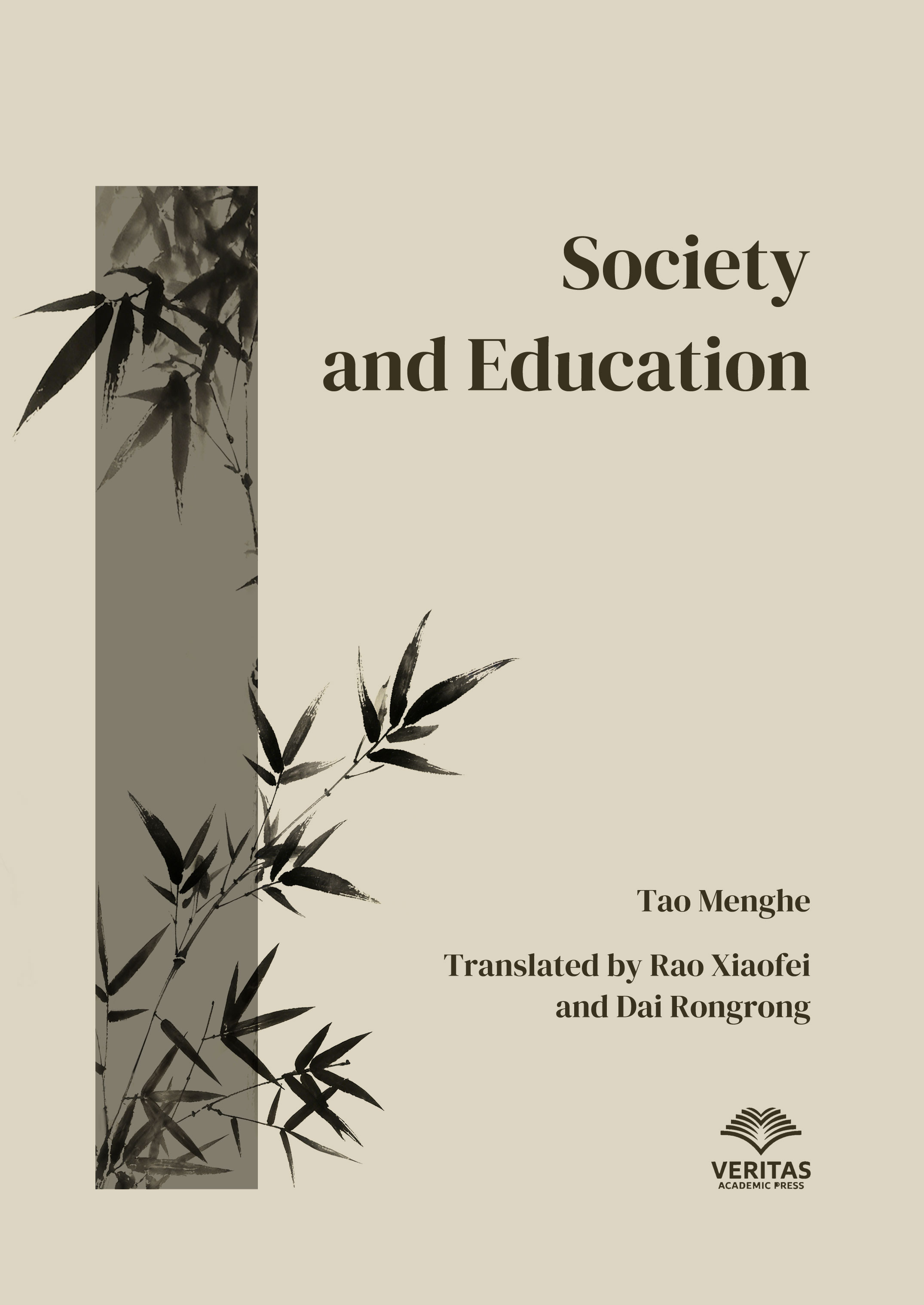
Society and Education
Publication information
- ISBN
- 9781969413940
- Contributors
- Tao Menghe
- Translators
- Rao Xiaofei; Dai Rongrong
About this book
This scholarly translation offers a rigorous and context-sensitive rendering of Tao Menghe’s early twentieth-century sociological writings, a foundational yet underrepresented corpus in the global history of social thought. Combining philological precision with interpretive clarity, it makes Tao’s work accessible to an international readership while preserving the conceptual density and stylistic integrity of the original Chinese text.
Methodologically, the translation is guided by a dual commitment to fidelity and readability. Key terms are systematically stabilized through a curated glossary to ensure cross-chapter consistency and terminological transparency. For example, chengxun is rendered as “social tradition,” emphasizing its historically sedimented and processual nature, while shehui diaocha is translated as “social survey,” aligning Tao’s usage with the empirical turn in modern social science. At the syntactic and rhetorical levels, sustained micro-level refinement produces idiomatic and fluent English prose without compromising its epistemological nuance.
Beyond linguistic transfer, the translation foregrounds Tao Menghe’s position as an active theorist at a critical juncture in Chinese intellectual history. Situated at the intersection of his earnest social thought and Western disciplinary frameworks, his writings are presented with minimal yet strategic contextualization to clarify conceptual tensions and historically specific references.
By enabling direct engagement with Tao’s original arguments, this translation seeks to reposition his work within international scholarly discourse. It contributes to expanding the global canon of social theory, facilitates comparative research in sociology and education, and offers a renewed perspective on the early development of empirical social inquiry in China. In this sense, the project serves not only as a linguistic bridge but also as an intellectual intervention with lasting relevance for cross-cultural and interdisciplinary scholarship.
Related publications
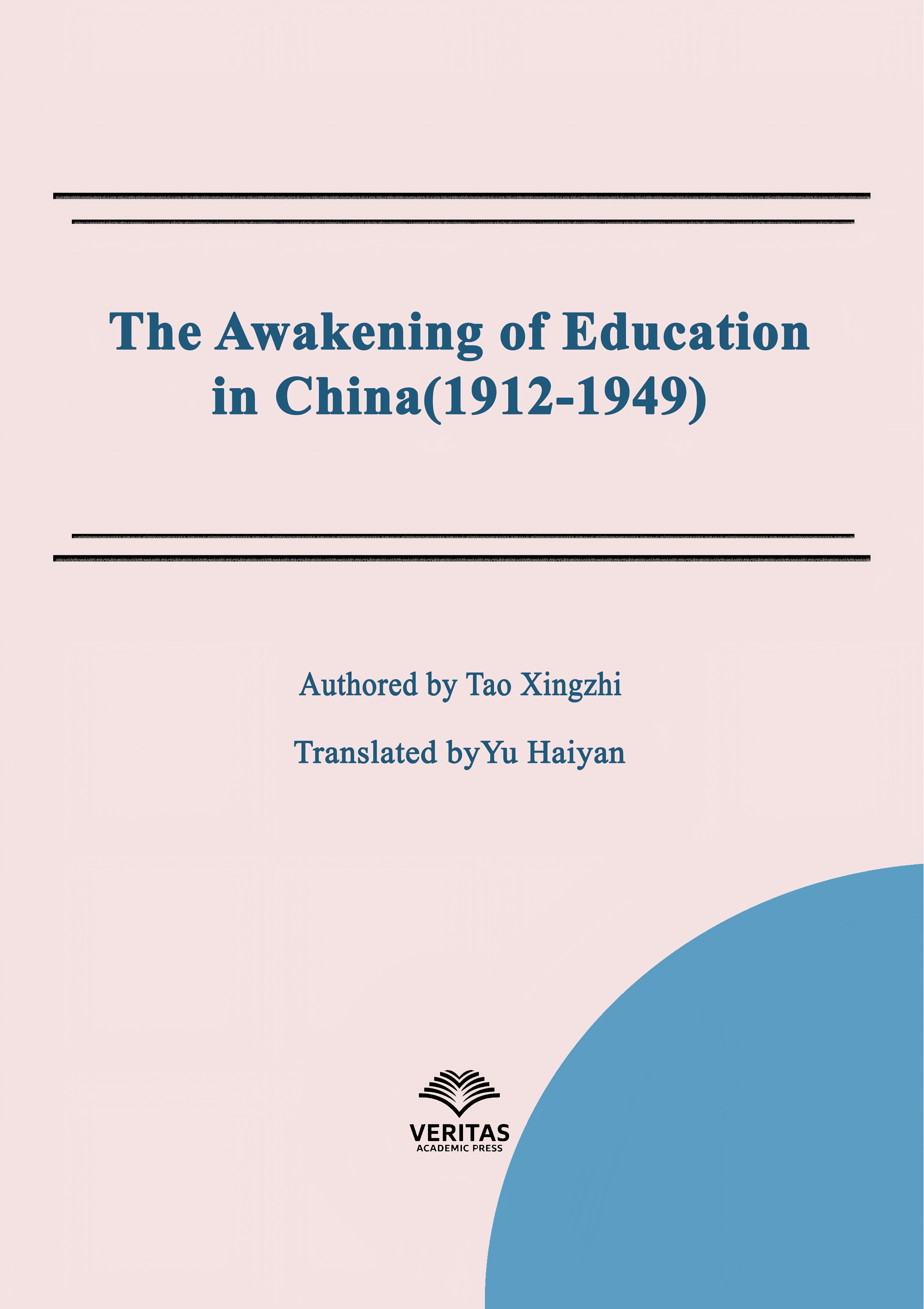
The Awakening of Education in China (1912–1949)
The Awakening of Education in China(1912-1949) is systematically gathering Tao Xingzhi’s core educational discourses found in newspapers, speeches, and letters and concentrates the essence of his thoughts as the "People's Educator" and stands as an enlightening manifesto in the process of China's educational modernization. The…
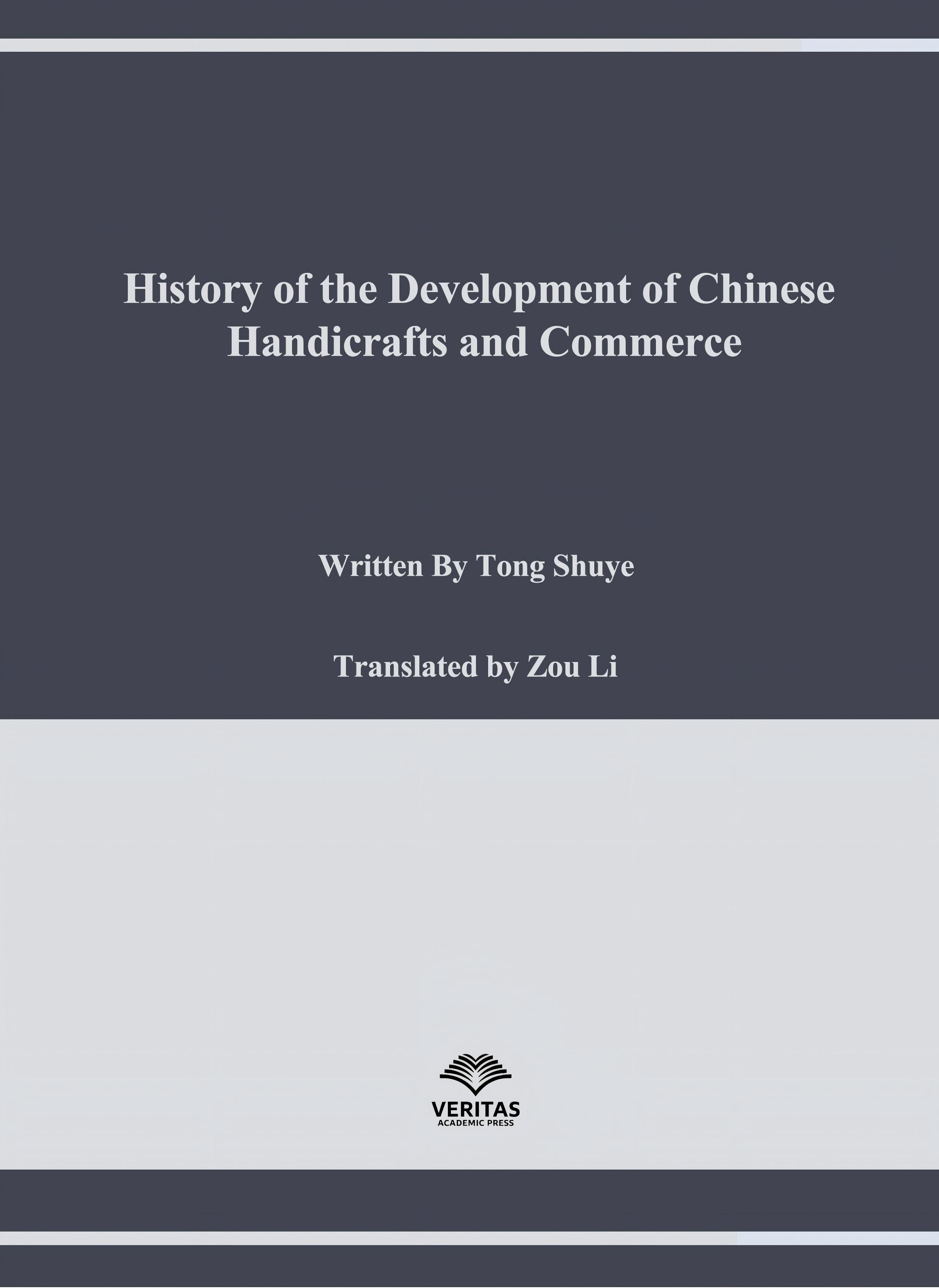
History of the Development of Chinese Handicrafts and Commerce
The History of the Development of Chinese Handicrafts and Commerce was compiled by Tong Shuye during his teaching at Shandong University in the 1950s. This book takes the handicraft and commerce of China before the Opium War as its research object, systematically tracing the evolution…
The Character of the Chinese People
"The First President of Tsinghua University: A Life Philosophy/Inspirational Masterpiece Written Exclusively for Chinese Youth"(Next year marks the centennial of Tsinghua University.)Part of this book, New Philosophy of Life, influenced generations during the late Anti-Japanese War and in Taiwan during the 1960s–70s, becoming a must-read…